Are you looking for the perfect way to diversify your investments and be part of a financial future that doesn’t involve volatile stock markets or unpredictable currency fluctuations? If so, then owning gold may be the answer you’re searching for.
Purchasing this precious metal has long been seen as one of the best diversifications that a person can make, but with so many options out there when it comes to how you purchase and store your gold, it can be daunting trying to decide which approach is best.
To help make it easier for you, we’ve broken down our top tips for buying gold – essential advice for anyone thinking about buying gold.
Here are 12 essential tips for buying gold:
- Strictly Buy Physical Gold
- Opt for Universally Recognized Gold
- Look For Reputable Dealers
- Compare the Spot Price of Gold
- Average into a Liquid Position
- Buy With Cash Only — Never Finance Your Purchases
- Always Maintain a Long Term Perspective
- Only Buy Gold You Have Ownership Of
- Find Secure Storage
- Store Outside the Traditional Banking System
- Diversify the Storage of Your Gold
- Know the Laws About Buying and Storing Gold
Let’s dive deeper into each of the tips for buying gold and get a full breakdown on how to invest intelligently.
Tips for Buying Gold
Strictly Buy Physical Gold
Only buy physical gold bullion coins and bars. Stay away from gold-backed ETFs, futures, and other paper gold investments.
With gold being one of the most reliable forms of insurance against a crash in the monetary system, it is essential to invest your money securely and wisely. Holding paper certificates may make it appear as if you have acquired physical gold but if you read the fine print, this likely isn’t confirmed by their terms and conditions. To ensure that your investment is truly safe, buying physical gold bars or coins rather than trusting paper products is imperative.
Investing in gold can be a great way to safeguard your savings and provide insurance, but not all products are created equal. When looking at investment opportunities, it’s essential to thoroughly read the terms and conditions and paying close attention to whether they cover physical delivery of gold bars with their specific details (such as numbers or hallmarks). Cash settlement clauses should also be avoided if you want true ownership over your investment.
Opt for Universally Recognized Gold
Avoid buying commemorative or collector’s coins as they often have high premiums over the spot price of gold and may be harder to sell afterwards. Stick to bullion coins that have a low premium above the spot price of gold.
Investing in gold is a smart move if you know where to look. Pro tip: shop around the world for the best deals, but make sure those coins and bars have worldwide recognition — after all, it’s no bargain if they not sellable. Do your homework so you can reap the rewards when reselling time comes.
You can ensure your investment is safe by purchasing only universally recognizable gold.
For gold bullion coins, for example, in-demand selections include:

U.S. Eagle
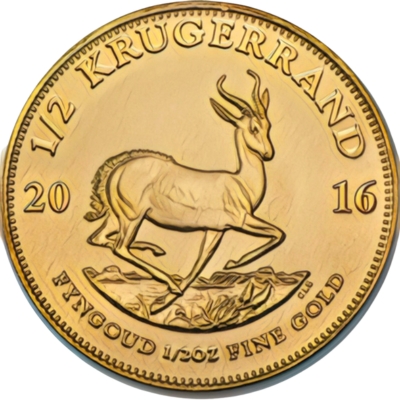
South African Krugerrand
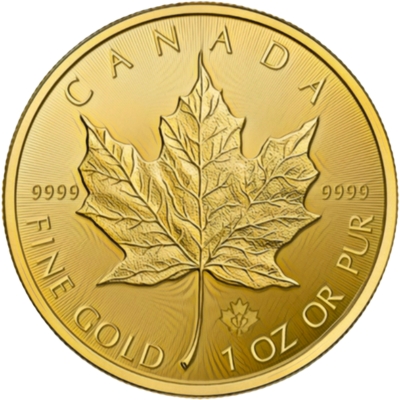
Canadian Maple Leaf

Austrian Philharmonic
Look For Reputable Dealers
It’s important to look for reputable dealers when buying physical gold bullion because it’s a valuable investment that you’ll want to protect.
You should always research a dealer before purchasing gold from them. Look for dealers who are members of the American Numismatic Association (ANA) and the National Coin & Bullion Association (formerly the Industry Council for Tangible Assets, or ICTA). ANA member dealers agree to follow the association’s dealer code of ethics. Membership is a useful signal, not proof that a business is reputable, so check complaint records too.
When searching for a reliable gold dealer, be sure to look out for respected names in the industry with expertise trading bullion during ever-changing market conditions. The American Numismatic Association requires its member dealers to agree to a code of ethics and has created a comprehensive Dealer Directory so customers can easily find reputable professionals who meet their needs.
To find an ANA bullion dealer, use this Dealer Directory.
Compare the Spot Price of Gold
Knowing the current spot price for gold is key when shopping around. Before making a purchase, it’s wise to compare the prices being quoted by dealers to check that you’re getting a fair price. As premiums and fees can add up quickly, stick with coins whose values are close or equivalent to the spot price of gold — this way your investment capital won’t end up taking too much damage.
Gold coins such as the Maple Leaf, Austrian Philharmonic and U.S. Eagle are tangible investments that represent an ounce of gold. When investing in these physical assets, remember to expect a fabrication fee (for production) plus brokerage fees for any work done by a dealer before delivery. Typically, it’s wise not to invest more than 5-6% over the spot price of gold when purchasing gold bullion from sources like shops or online stores.
Average into a Liquid Position
Gold can offer powerful financial security and prosperity as long it’s considered an insurance policy rather than traded actively on markets. Unlike paper money, which governments can issue at will, new gold comes only from mining, which adds a small amount each year to the gold already above ground.
For the past half-century, credit has been our go-to source of funding worldwide.
Although there are undeniable benefits to this system, it is not infinite. Debt and money cannot be printed endlessly without consequence. Many gold buyers see this as an unsustainable trend.
To prepare for such times ahead we should all strive to put liquid gold aside as a safeguard since even large amounts can be conveniently stored or sold when needed during crises.
The best way to do this is to average into the markets and make regular buys of liquid gold assets. Sticking to universally recognized gold coins makes them easier to sell later.
Buy With Cash Only — Never Finance Your Purchases
Building your wealth with gold is an important part of a healthy economy, but the way you get there matters just as much.
It’s essential to save up and invest wisely, rather than leaning into debt or quick speculation that can leave you in trouble if prices don’t play out exactly as you expected.
That’s why saving should be at the foundation of investing — give yourself time and space by pulling from savings first before hoping for returns down the road, no matter what asset class you’re considering buying into now. Put simply – sacrifice today so future profits aren’t taken away tomorrow.
Investing responsibly today gives rise to greater rewards tomorrow. This timeless principle defines an honest economic system for all investors.
Always Maintain a Long Term Perspective
Investing for the long term is always prudent, and no one knows this better than Warren Buffett. As he said, “Only buy something that you’d be perfectly happy to hold if the market shut down for 10 years.”
When it comes to investing, you don’t want to play with money that won’t last. The advice is to be wise and invest what you can part ways with for the next 10 years. Gold is not a safe bet in every period: its price can fall as well as rise, sometimes for several years in a row, so only buy what you can hold through a downturn.
Only Buy Gold You Have Ownership Of
With numerous options available to those looking to diversify their assets into gold, it is important that investors do due diligence when selecting a storage provider to ensure they actually have ownership of the assets they’re investing in.
Fortunately, there are a number of desirable jurisdictions for storing precious metals outside traditional banking systems as they boast strong private property rights. To ensure complete ownership over one’s physical gold investments however, individuals should verify prior to purchase if these companies have the rights to pledge or hedge your bullion. Always read the terms and conditions.
Find Secure Storage
Gold is a precious and valuable commodity, so it’s important to take thoughtful precautions when storing it.
Consider investing in fireproofing or waterproofing your safe — this could help protect the value of your gold from theft or damage if disaster strikes.
And when it comes to safeguarding your gold and silver in a storage facility, don’t settle for anything less than the highest security standards. Ensure that the country you have chosen has robust vaults designed specifically to store precious metals — this is absolutely essential in keeping financial matters secure.
Our guide to the best countries and locations for offshore gold storage compares the options.
Store Outside the Traditional Banking System
When it comes to protecting your silver and gold assets, there are a few considerings to keep in mind when selecting a storage facility.
Firstly, do you prioritize instant access or anonymity? This decision will ultimately determine which country provides optimal protection for you.
Although banks commonly offer some form of security, they come with significant risks such as bank malfunctions and government control that could impede access should anything happen to the financial system.
For that reason, some buyers prefer to decide for themselves where their precious metals sit and keep them out of banks altogether.
Diversify the Storage of Your Gold
Consider splitting up their storage between several secure vaults in different locations, each with its own currency system — this will not only reduce the risk of unexpected losses but also give you added privacy. By diversifying where and what metals you hold, you’re giving yourself multiple paths towards protecting your money now and into the future.
There are a few different safe storage options you might consider outside of the traditional banking system:
- Private Vault. Private vaults are becoming a popular choice for those seeking flexible and secure solutions to store their assets. Many offer insurance coverage, chain of custody verification and the ability to sell or transport holdings when you choose, and some let you sell gold held there for cash or cryptocurrency. Check the insurance terms and fees before you sign up, and remember: always consult legal counsel before making any decisions about asset management.
- Your Overseas Home. Some investors who own property abroad choose to keep part of their gold there. For US taxpayers, foreign real estate held directly is generally not a specified foreign financial asset for IRS Form 8938, but rental income and gains on sale are still taxable, and property or gold held through a foreign company, trust or account can carry its own reporting duties. Get tax advice before relying on this.
If storing overseas, it may also be prudent to keep some gold coins closer to home for quick access in times of crisis. In this way, you can keep a tangible form of security at hand for yourself or loved ones.
Know the Laws About Buying and Storing Gold
Financial well-being is often determined by your ability to be honest and responsible with money. However, there are ways to protect what’s yours while avoiding any shady or underhanded behavior — one of them being the offshore trust setup. This allows you create a safe space that provides an extra layer of security so your financial future remains in check.
Yet if you’re American, always double-check first before finalizing such arrangements. This includes consulting tax lawyers or accountants for reporting advice as foreign accounts must still be declared no matter where they reside.
Also keep in mind that when investing in small amounts of gold, there are ways to buy anonymously and without disclosing any personal information, all while following the law to a T. Larger purchases bring reporting rules: for example, a dealer that receives more than $10,000 in cash in one transaction or related transactions must file IRS Form 8300. In cases involving large amounts of physical gold, compliance is key.
Frequently Asked Questions About Buying Gold
What is the best way to buy gold?
You can find a variety of ways to get your hands on some bullion. Look for an online dealer like Bullion Star or JM Bullion or check out your local collector or pawn shop.
When buying gold, it’s important to compare the spot price of gold from different dealers in order to get the best deal. Be sure to ask about shipping and handling fees, as well as insurance costs, before you make your purchase.
The spot price is the current market price for immediate delivery of a commodity. It reflects what buyers are willing to pay and sellers are willing to accept at any given time.
To get the most from your money and make sure it’s secure, avoid purchasing paper certificates. You might think you’re getting physical gold but that may not always be true – check for confirmation in the terms and conditions before investing. If you want to own the metal itself, buy physical bars or coins.
What to look for when buying gold?
Gold can help diversify a portfolio, but there are a few key elements you’ll want to consider before making the commitment. Cost per ounce versus the spot price of gold should be evaluated first, then assess purity and ensure certification from reliable sources. Be sure also to investigate other charges that can come with buying physical gold assets as well as buyback terms for added security when selling it later on down the road. Lastly, make yourself aware of any laws or tax rules associated with owning this type of investment so you protect your interests securely.
How do you safely buy gold?
To hold gold directly, buy it in physical form, such as coins or bars. Shares, gold-backed ETFs and futures give you price exposure rather than metal in your own name. Holding paper certificates may make it appear as if you have acquired physical gold but if you read the fine print, this likely isn’t confirmed by their terms and conditions.
When purchasing physical gold, be sure to do your research and find a reputable dealer. Make sure that the dealer is licensed and insured, and ask for a certificate of authenticity that guarantees the weight and purity of the gold. Beware of scams, and always take precautions to protect yourself against fraud.
What should you not do when buying gold?
When buying gold, don’t buy paper gold. Paper gold includes investments in exchange-traded products (ETPs), futures contracts, and options on gold. Some of these products are not backed by physical metal, and even physically backed funds give you a share of a trust rather than specific bars you can take delivery of. Futures and options can be subject to extreme price volatility. When you buy paper gold, you’re making a bet on the direction of the market, rather than owning an asset with intrinsic value.
Instead, invest in physical gold bullion or coins. These assets are backed by the real thing, and they tend to be more stable during periods of market volatility. Gold has stood the test of time: it has been used as a form of currency for thousands of years.
Parting Words
Finding the right gold to buy may seem daunting at first, but with careful research and analysis it’s an enjoyable process. By following our principles, you can purchase gold with peace of mind.
With everything from coins to bars and bullion, there is a lot of choice when investing in gold. Use reliable sources for accurate advice on how best to make your purchase. Remember that it’s not just about buying any old gold — shop around wisely so you are confident in making the right decision for yourself.
We hope this has provided insight into how to build your tangible asset portfolio today. As we embark on this journey together, let’s strive to make the most of our investments in gold by following these simple guidelines.
Leave us a comment about how you plan on buying gold this year. And feel free to share any of your best tips for buying gold. We’d love to hear from you!
P.S. Like this article? You may also enjoy these other articles in the series: